β adrenergic receptor
β-adrenergic receptors (β-ARs) are G protein-coupled receptors that regulate cardiac homeostasis, including myocyte contraction, heart rate, and coronary blood flow[1]. Mechanistically, β-AR signaling couples receptor activation to Gs proteins, adenylyl cyclase, cAMP, protein kinase A, and downstream effectors, while GRKs phosphorylate agonist-occupied receptors and initiate desensitization[1][2]. In heart failure research, chronic β-adrenergic stimulation associates with increased morbidity and mortality, whereas β-blockade is part of standard care and distal β-AR-G protein-adenylyl cyclase mechanisms remain therapeutic targets[2]. Compared with related isoforms, β2-adrenergic receptors show cardioprotective activity in doxorubicin cardiomyopathy models, whereas β1-adrenergic receptors mediate at least some acute anthracycline cardiotoxicity[3]. In chronic volume overload, β1-blockade with metoprolol associates with myocardial β3AR/NO-cGMP coupling, supporting isoform-specific signaling in cardiac benefit[4]. In neuroinflammation models, β-blockers potentiated peripheral inflammation and CNS inflammation in amyloid pathology models, while β-adrenergic agonists inhibited synaptosome phagocytosis in primary microglia cultures[5]. For experimental applications, agonists, partial agonists, neutral antagonists, and inverse agonists provide tools to classify β2-adrenergic receptor conformational states and receptor signaling outcomes[6].
References:
- [1]. Kayki-Mutlu G, et al. Novel roles for G protein-coupled receptor kinases in cardiac injury and repair. Biochem Soc Trans. 2023 Apr 26;51(2):715-724. [Content Brief]
- [2]. Ho D, et al. Modulation of beta-adrenergic receptor signaling in heart failure and longevity: targeting adenylyl cyclase type 5. Heart Fail Rev. 2010 Sep;15(5):495-512. [Content Brief]
- [3]. Bernstein D, et al. Differential cardioprotective/cardiotoxic effects mediated by beta-adrenergic receptor subtypes. Am J Physiol Heart Circ Physiol. 2005 Dec;289(6):H2441-9. [Content Brief]
- [4]. Trappanese DM, et al. Chronic β1-adrenergic blockade enhances myocardial β3-adrenergic coupling with nitric oxide-cGMP signaling in a canine model of chronic volume overload: new insight into mechanisms of cardiac benefit with selective β1-blocker therapy. Basic Res Cardiol. 2015 Jan;110(1):456. [Content Brief]
- [5]. Evans AK, et al. Beta-adrenergic receptor antagonism is proinflammatory and exacerbates neuroinflammation in a mouse model of Alzheimer's Disease. Neurobiol Dis. 2020 Dec;146:105089. [Content Brief]
- [6]. Kobilka B, et al. Characterization of ligand-induced conformational states in the beta 2 adrenergic receptor. J Recept Signal Transduct Res. 1999 Jan-Jul;19(1-4):293-300. [Content Brief]
All Product Categories
-
β adrenergic receptor Inhibitors
(40)
View all products
-
β adrenergic receptor Agonists
(121)
View all products
-
β adrenergic receptor Antagonists
(83)
View all products
-
β adrenergic receptor Activators
(5)
View all products
-
β adrenergic receptor Modulators
(6)
View all products
-
β adrenergic receptor Ligands
(2)
View all products
-
β adrenergic receptor Related Products (264)
Related Products (264)

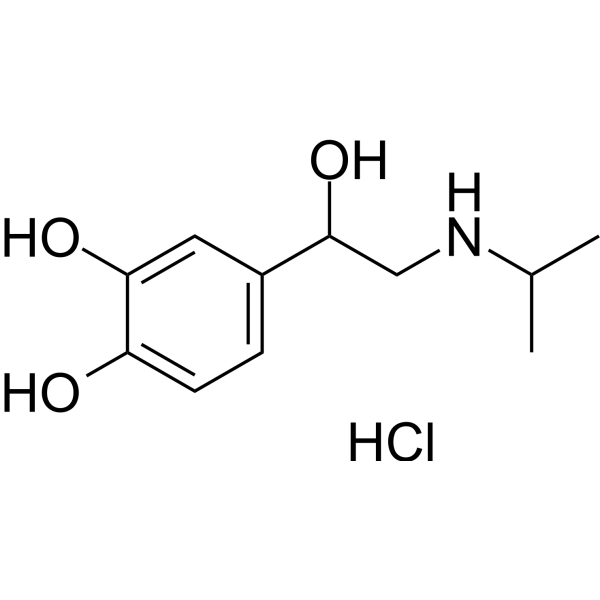
-
Norepinephrine
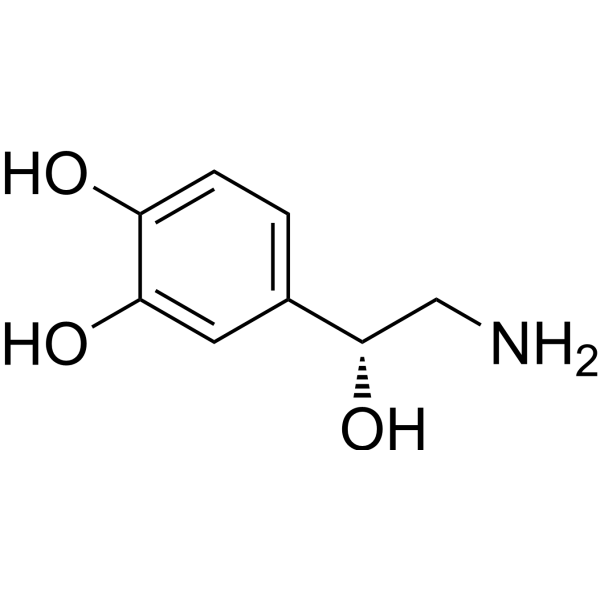 0 ImagesNorepinephrine (Levarterenol; L-Noradrenaline) is a potent adrenergic receptor (AR) agonist. Norepinephrine activates α1, α2, β1 receptors.
-
Propranolol
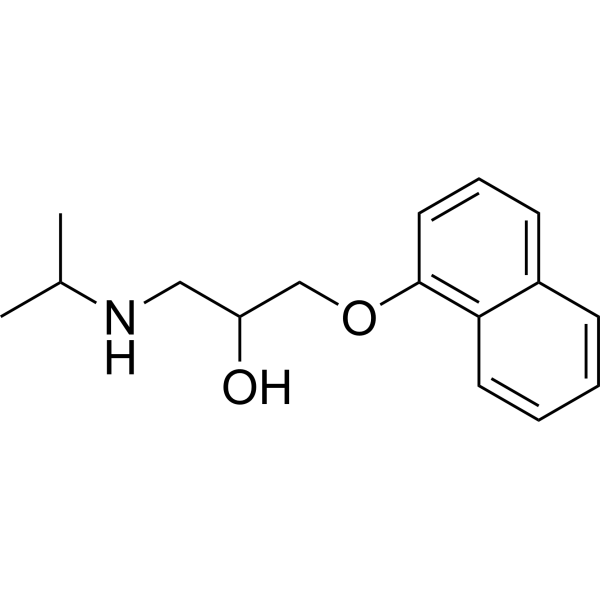 0 ImagesPropranolol is a nonselective and BBB-permeable β-adrenergic receptor (βAR) antagonist, has high affinity for the β1AR and β2AR with Ki values of 1.8 nM and 0.8 nM, respectively. Propranolol inhibits [3H]-DHA binding to rat brain membrane preparation with an IC50 of 12 nM. Propranolol is used for the study of hypertension, pheochromocytoma, myocardial infarction, cardiac arrhythmias, angina pectoris, and hypertrophic cardiomyopathy.
-
Propranolol hydrochloride
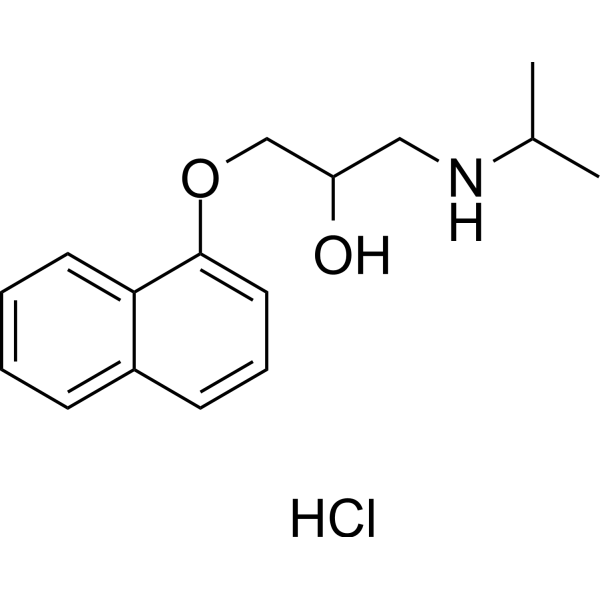 0 ImagesPropranolol hydrochloride is a nonselective and BBB-permeableβ-adrenergic receptor (βAR) antagonist, has high affinity for the β1AR and β2AR with Ki values of 1.8 nM and 0.8 nM, respectively. Propranolol hydrochloride inhibits [3H]-DHA binding to rat brain membrane preparation with an IC50 of 12 nM. Propranolol hydrochloride is used for study of hypertension, pheochromocytoma, myocardial infarction, cardiac arrhythmias, angina pectoris, and hypertrophic cardiomyopathy.
-
D-Mannitol
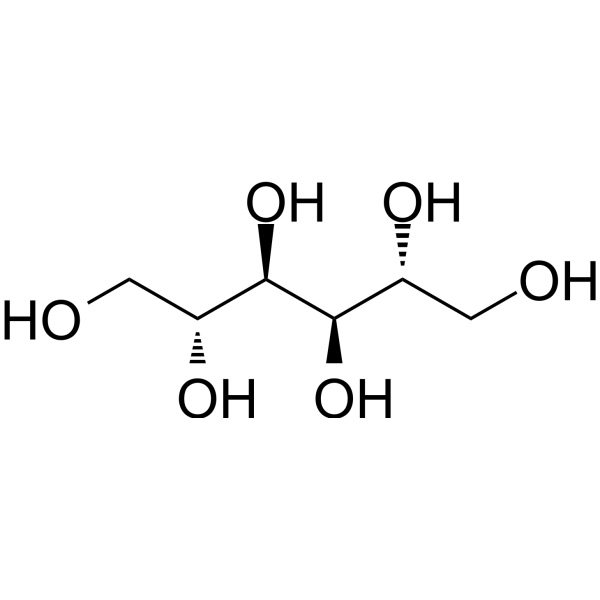 0 ImagesD-Mannitol (Mannitol) is an oral, resistant sugar widely used in the food and pharmaceutical industries to promote the absorption and retention of calcium and magnesium through cecal fermentation, while acting as a osmotic diuretic to reduce tissue edema. D-Mannitol can enhance brown fat formation, improve insulin effect, reduce blood sugar levels, And through the start the β3-adrenergic receptor (β3-AR), PGC1α and PKA induced by means of white fat cells into brown fat cells. D-Mannitol is commonly used to maintain osmotic pressure between the plant cytoplasm and the culture medium and protect cells when the cell wall is weakened or even removed.
-
Formoterol fumarate
 0 ImagesSynonyms: (±)Formoterol fumarateFormoterol fumarate ((±)Formoterol fumarate) is a selective β2-adrenoceptor agonist. Formoterol fumarate is at least as β2-adrenoceptor selective as Salbutamol (HY-B1037) and Terbutaline (HY-B0802A). Formoterol fumarate abolishs the contraction induced by Acetylcholine in bronchioles. Formoterol fumarate can be used for the research of chronic obstructive pulmonary disease and bronchial asthma.
-
Zenidolol hydrochloride
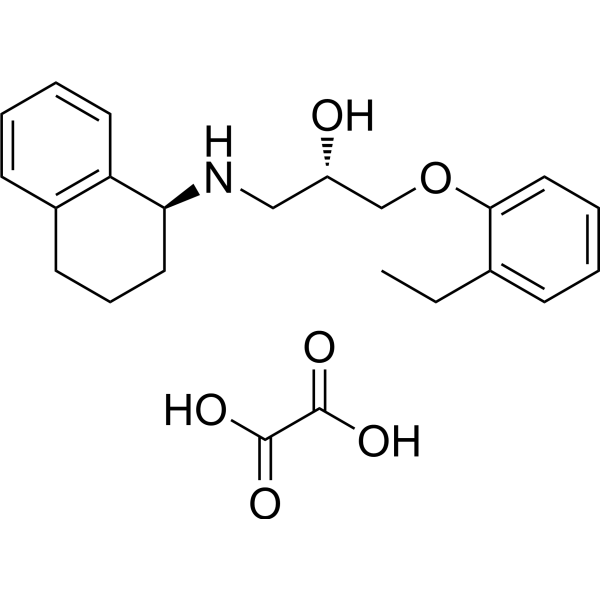
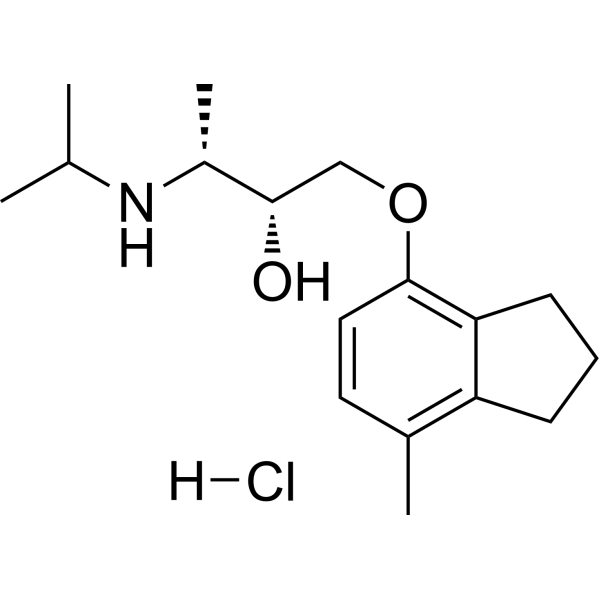 0 ImagesSynonyms: ICI-118551 hydrochlorideZenidolol (ICI-118551) hydrochloride is a highly selective β2 adrenergic receptor antagonist, with Kis of 0.7, 49.5 and 611 nM for β2, β1 and β3 receptors, respectively.
-
Norepinephrine hydrochloride
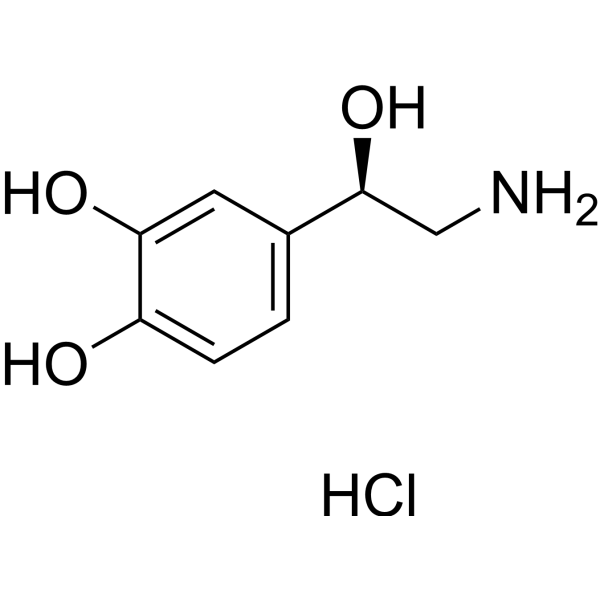 0 ImagesSynonyms: Levarterenol hydrochloride; L-Noradrenaline hydrochlorideNorepinephrine (Levarterenol; L-Noradrenaline) hydrochloride is a potent adrenergic receptor (AR) agonist. Norepinephrine activates α1, α2, β1 receptors.
-
CL 316243
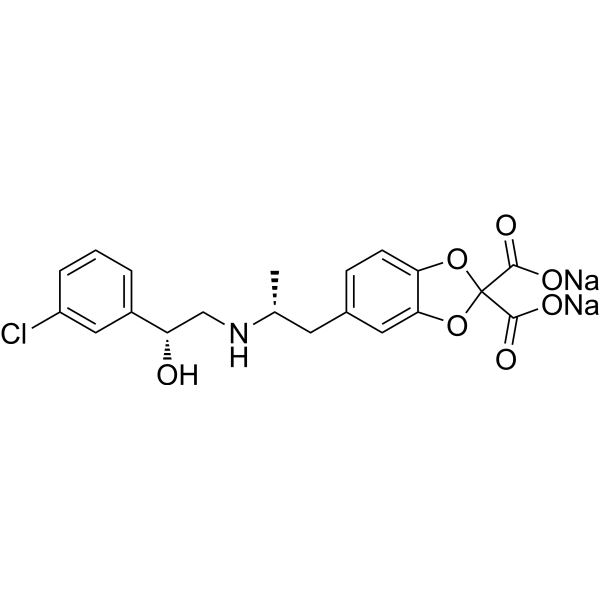 0 ImagesCL316243 is a highly potent selective β3-adrenoceptor agonist with a EC50 of 3 nM, but is an extremely poor to β1/2- receptors.CL316243 is a effective stimulant of adipocyte lipolysis and increases brown adipose tissue thermogenesis and metabolic rate. CL316243 has the potential for the treatment obesity, diabetes and urge urinary incontinence.
-
Atenolol
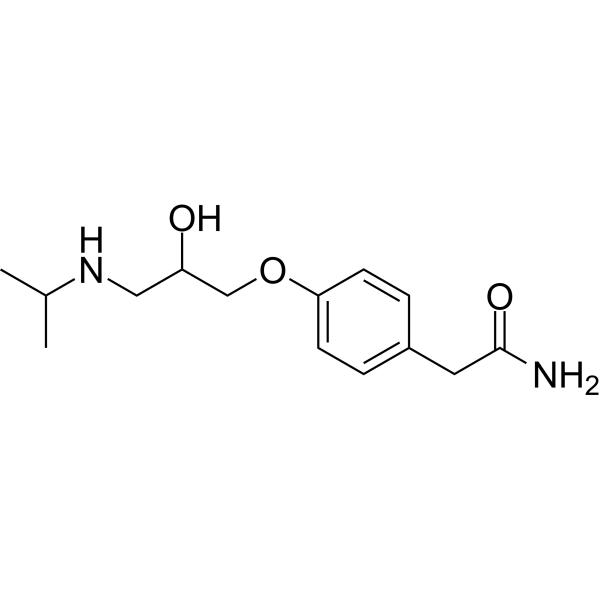 0 ImagesSynonyms: (RS)-AtenololAtenolol ((RS)-Atenolol) is a cardioselective β1-adrenergic receptor blocker, with a Ki of 697 nM at β1-adrenoceptor in guine pig left ventricle membrane. Atenolol can be used for the research of hypertension and angina pectoris.
-
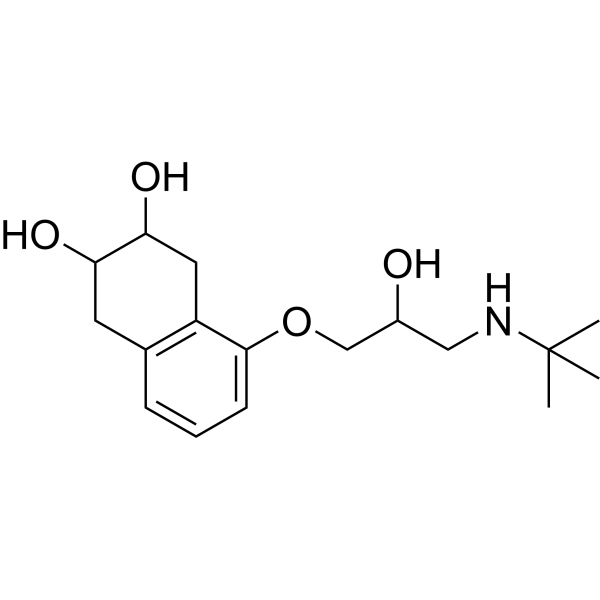
Metoprolol
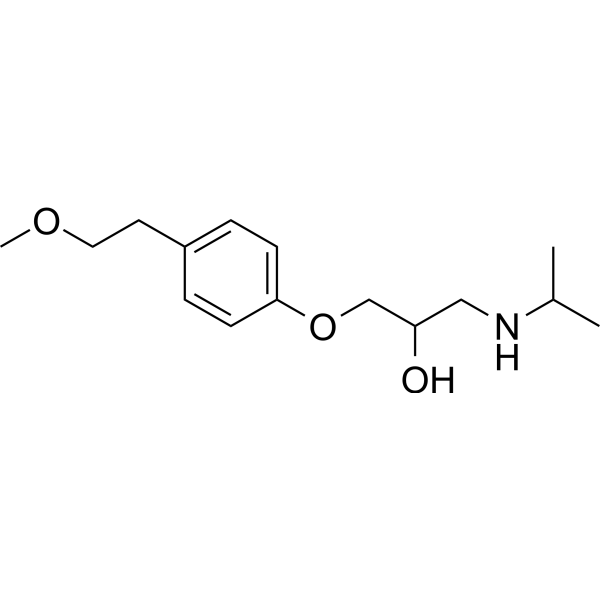 0 ImagesMetoprolol is an orally active, selective β1-adrenoceptor antagonist. Metoprolol shows anti-inflammation, antitumor and anti-angiogenic properties.
-
Salbutamol
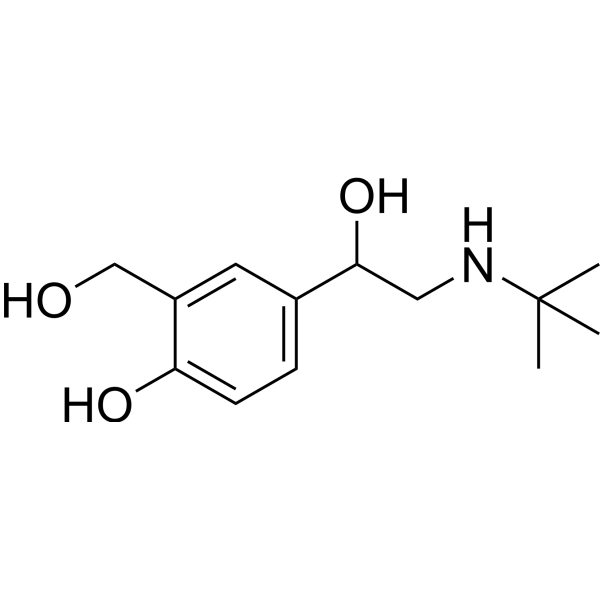 0 ImagesSynonyms: Albuterol; AH-3365Salbutamol (Albuterol) is an orally active short-acting β2-adrenergic receptor agonist. Salbutamol promotes tumorigenesis in gastric cancer cells through the β2-AR/ERK/EMT pathway. Salbutamol can relax bronchial smooth muscle and is used to study bronchospasm induced by asthma and chronic obstructive pulmonary disease.
-
Norepinephrine bitartrate monohydrate
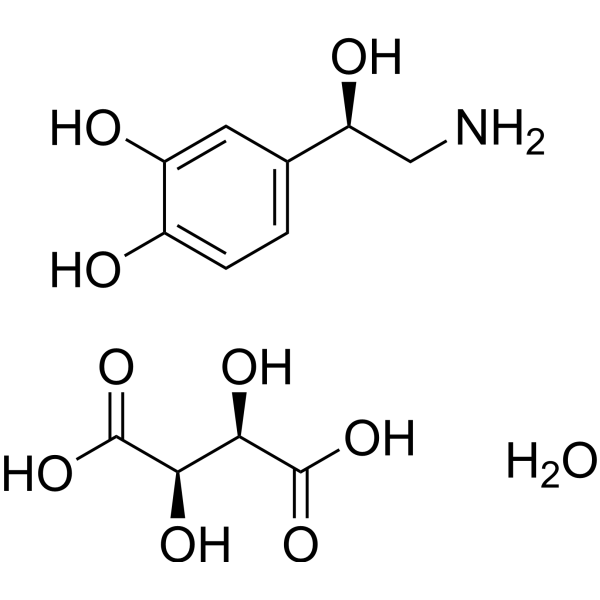 0 ImagesSynonyms: Levarterenol bitartrate monohydrate; L-Noradrenaline bitartrate monohydrateNorepinephrine (Levarterenol; L-Noradrenaline) bitartrate monohydrate is a potent adrenergic receptor (AR) agonist. Norepinephrine activates α1, α2, β1 receptors.
-
Mirabegron
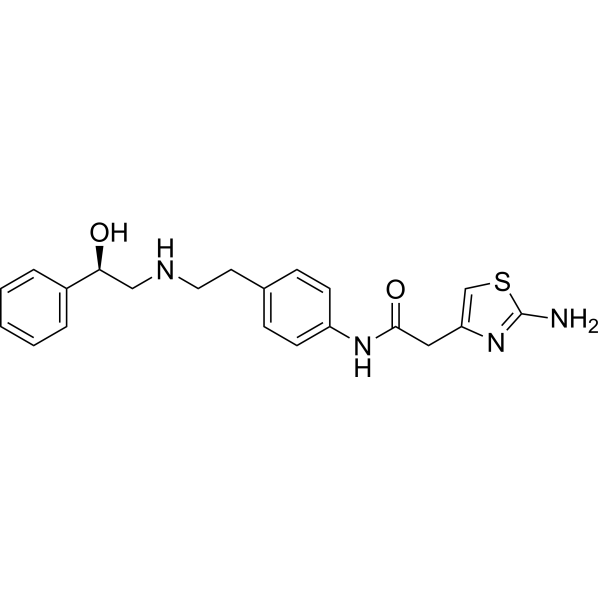 0 ImagesSynonyms: YM178Mirabegron is a selective β3-adrenoceptor agonist with EC50 of 22.4 nM.
-
Salmeterol
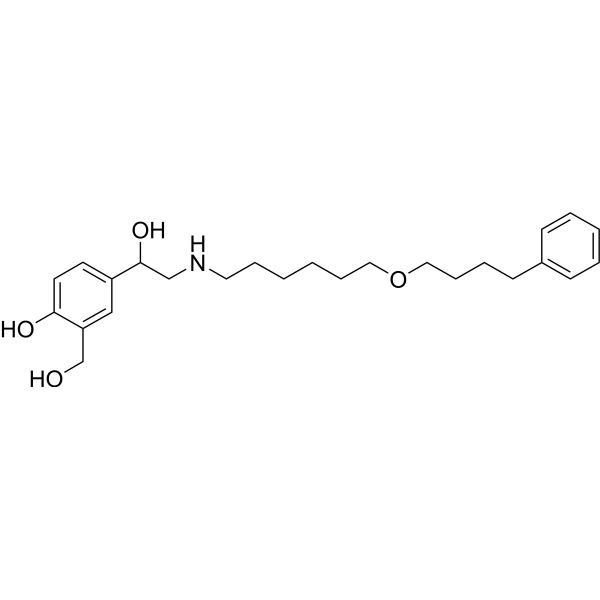 0 ImagesSynonyms: GR33343XSalmeterol (GR33343X) is a potent and selective human β2 adrenoceptor agonist. Salmeterol shows potent stimulation of cAMP accumulation in CHO cells expressing human β2, β1 and β3 adrenoceptors with pEC50s of 9.6, 6.1, and 5.9, respectively.
-
(S)-Timolol maleate
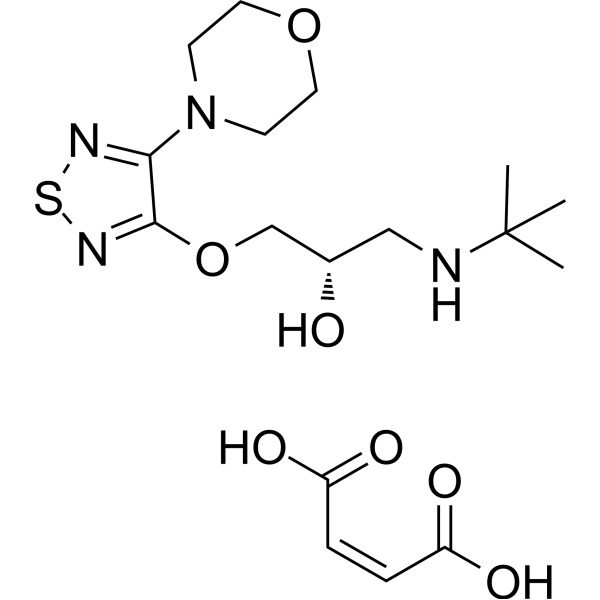 0 ImagesSynonyms: (S)-L-714,465 maleate; MK 950(S)-Timolol Maleate (L-714,465 Maleate) is a non-cardioselective hydrophilic β-adrenoceptor blocker. (S)-Timolol Maleate is widely used as standard medication for intraocular pressure (glaucoma) by preventing the production of aqueous humor. (S)-Timolol Maleate can be used for hypertension, angina pectoris and myocardial infarction.
-
Labetalol
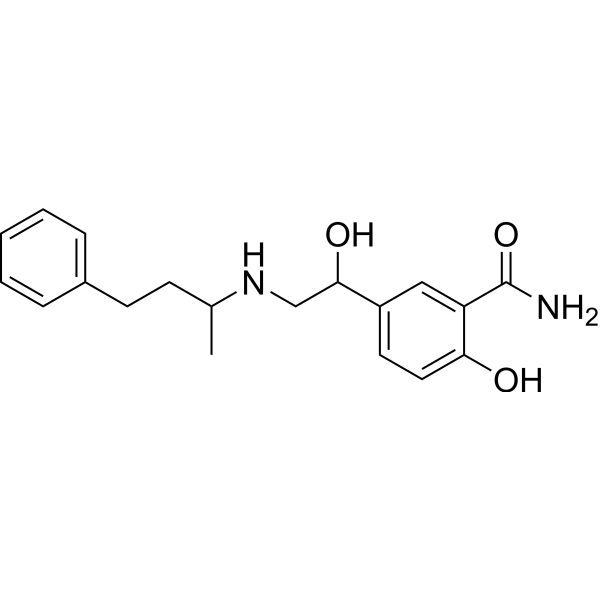 0 ImagesSynonyms: AH5158; Sch-15719W free baseLabetalol (AH5158) is an orally available, selective α1-adrenergic recepto and non-selective β-adrenergic receptor competitive antagonist. Labetalol is an antihypertensive molecule that partially crosses the blood-brain barrier and has little effect on cardiac output. Labetalol can be used in the study of cardiovascular diseases, such as hypertension during pregnancy.
-
Dobutamine hydrochloride
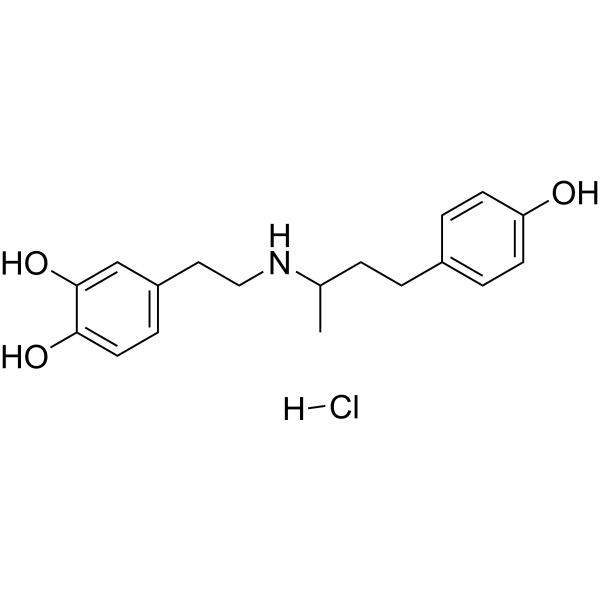 0 ImagesDobutamine hydrochloride is a synthetic catecholamine that acts on α1-AR, β1-AR, β2-AR (α-1, β-1 andβ-2 adrenoceptors). Dobutamine hydrochloride is a selective β1-AR agonist, relatively weak activity at α1-AR and β2-AR. Dobutamine hydrochloride can increase cardiac output and correct hypoperfusion.